Views: 187 Author: Site Editor Publish Time: 2026-03-30 Origin: Site


Time delay relays are essential components in electrical circuits that control the timing of operations. They are designed to delay the activation or deactivation of a circuit after a preset time, allowing precise control over the timing of electrical processes. These relays are widely used in applications where specific delays are required, such as in motor start-ups, lighting systems, and industrial automation. The timing functions of time delay relays are critical in ensuring that operations occur in a sequence or at intervals, providing greater flexibility and efficiency. Whether it's delaying the start of a system, pausing between cycles, or ensuring a delay before shutting down, time delay relays play a vital role in managing the timing-based operations of various devices, improving performance, and preventing damage from immediate actions.
Time delay relays come with various timing functions, each designed for specific control tasks. These functions allow the relay to delay or schedule the opening or closing of contacts based on time, optimizing control over different electrical systems. Below are the most common timing functions used in time delay relays:
Explanation: The relay delays the closing of contacts until after a set time interval once the relay is activated. This function ensures that the circuit remains open for a specified period before closing, preventing immediate actions that could be harmful to the system.
Common Applications:
Motor Start-Up: Delays the energization of the motor to avoid inrush currents that could damage electrical components.
Heating Systems: Ensures a proper warm-up time before activating heating elements, protecting the system from sudden temperature changes.
Explanation: The relay keeps the contacts closed and only opens them after the preset time has passed. This function is useful for maintaining operation even after the control signal has been removed, providing a controlled shut-off.
Common Applications:
Lights: Keeps the light on for a set time after the switch is turned off, ensuring smooth operation in specific scenarios like exit lights.
HVAC Systems: Helps in preventing short cycling by keeping the system running briefly after the control signal is deactivated.
Explanation: The relay closes the contacts for a set time after being triggered and automatically opens after the delay. This function is used when a device or system needs to operate for a specific duration, then automatically stop without manual intervention.
Common Applications:
Cycling Equipment: Used in systems that require a timed on period, like water pumps or industrial machinery that operates in cycles.
Timers in Industrial Control: Ensures that processes run for a precise period before automatically shutting down.
Explanation: The relay stays closed initially and opens after a set time, providing a delay before deactivation. This is used in processes that require an off-time after the initial operation.
Common Applications:
Pump Shutdowns: Ensures a delay before shutting down pumps to allow for safe system shutdowns and prevent damage.
Emergency Systems: Used in safety-critical systems to provide a delay in deactivation, ensuring the proper timing for emergency shutdowns or alarms.
Each timing function is tailored to specific operational needs, ensuring that the system performs efficiently while reducing the risk of failure or damage.
Choosing the right timing function for a time delay relay ensures efficient and reliable system operation. The appropriate function depends on several factors:
Application Type:
Different applications need specific timing functions:
On-delay for motor control to prevent inrush currents.
Off-delay for lighting systems to keep lights on for a while after turning off the switch.
Interval-on or interval-off for industrial cycles and machinery.
Power Needs:
Consider the voltage and current requirements. High-power systems may require more robust relay functions to avoid overloads or damage.
System Timing:
Match the relay function with the system’s required delay:
Short delays for simple systems like lighting.
Longer delays for complex systems like motors or heating systems.
On-Delay Function:
Use for applications that need a delay before activation, like motor start-up or heating systems.
Off-Delay Function:
Best for keeping devices on after the control signal is removed, such as lighting systems or HVAC units.
Interval-On Function:
Ideal for processes that require a set time of operation before stopping, like water pumps or timers in industrial control.
Interval-Off Function:
Choose for processes requiring an off-time delay, such as pump shutdowns or emergency systems.
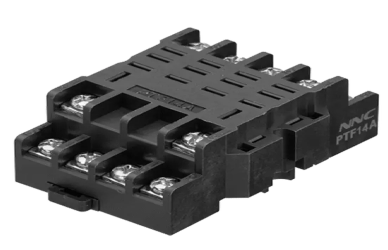
Time delay relays are versatile components used in a variety of industries to manage the timing of electrical systems. By delaying the activation or deactivation of a circuit, time delay relays ensure smooth operation, protect equipment, and enhance overall efficiency. Here are some common applications:
Use: Time delay relays are essential in industrial control systems for operations such as conveyor belt control, automated machinery, and production lines.
Example: In manufacturing, time delay relays manage the startup sequence of machinery, ensuring a delay before the system begins to operate to prevent sudden inrush currents that could damage the equipment.
Use: In heating, ventilation, and air conditioning (HVAC) systems, time delay relays help regulate system start-up, shutdown, and cycling.
Example: An off-delay relay is used to keep the fan running for a set time after the compressor shuts off, preventing overheating and improving system efficiency.
Use: Time delay relays are widely used in motor control to manage start-up and shut-down sequences, ensuring proper operation and protecting motors from damage.
Example: In motor-driven equipment, an on-delay relay ensures that the motor doesn’t start immediately, avoiding the damaging effects of inrush current. Similarly, off-delay relays prevent motors from shutting off too quickly.
Use: Time delay relays are also found in household appliances, where they help manage operations and ensure energy efficiency.
Example: In washing machines, time delay relays control the water fill time, drum rotation, or the start of the washing cycle after a certain delay.
Use: Time delay relays help manage lighting systems, ensuring lights remain on for a specific time after activation.
Example: In parking lots or corridors, off-delay relays are used to keep lights on for a set period after the switch is turned off, ensuring proper visibility.
Use: Time delay relays are used in emergency systems to manage the safe shutdown of equipment and operations in critical situations.
Example: In fire alarm systems, interval-off relays are used to provide a delay before shutting down a system after an emergency signal has been activated, ensuring safety and compliance.
Time delay relays are essential for controlling circuit timing, but they can experience issues. Here are common problems, diagnostic tips, and maintenance advice to ensure reliable performance.
Incorrect Timing
Symptoms: The relay activates too early or late.
Cause: Incorrect settings or timing mechanism malfunction.
Relay Failure
Symptoms: The relay doesn’t activate or hold contacts.
Cause: Wear, electrical surges, or overheating.
Improper Settings
Symptoms: The relay doesn’t respond correctly to timing or control signals.
Cause: Incorrect adjustment or function settings.
Check the Settings: Ensure the timing is correctly adjusted and the relay is set to the proper function (on-delay, off-delay, etc.).
Test for Continuity: Use a multimeter to test for continuity across the relay contacts. If no continuity is found, the relay may be defective.
Verify Power Supply: Confirm the relay is receiving the correct voltage for proper operation.
Inspect for Overheating: Check for overheating, which can result from electrical overload or incorrect voltage levels.
Listen for Mechanical Clicks: The relay should make a "click" sound when activated. If there’s no sound, the mechanical components may be stuck.
Regular Testing: Periodically test the relay to ensure proper operation and identify issues early.
Proper Installation: Ensure secure connections and correct mounting to avoid electrical failures.
Avoid Overloading: Ensure the relay is properly rated for the system’s voltage and current to prevent premature failure.
Keep It Clean: Keep the relay free from dust and moisture, which can interfere with its operation.
Use Surge Protectors: Protect the relay from electrical surges to extend its lifespan.
Ensure Ventilation: Ensure proper airflow to prevent overheating and prolong the relay’s life.
On-delay relays activate after a set time delay, while off-delay relays hold the relay on until after the delay period ends.
Yes, on-delay time relays are commonly used to control motor start-up, providing a delayed power supply to prevent damage.
Interval-on relays close the circuit for a preset time after activation, often used in cycling operations like industrial timers.
Most time delay relays have a knob or digital input for adjusting the delay time, typically ranging from seconds to minutes.
Time delay relays offer various timing functions such as on-delay, off-delay, interval-on, and interval-off, each designed to control specific operations in electrical systems. On-delay relays are ideal for preventing inrush currents during motor start-ups, while off-delay relays keep systems running for a preset time after deactivation. Interval-on and interval-off relays manage timed operations and shutdowns, making them essential for cyclical processes or systems requiring a delay in deactivation. Selecting the right timing function is crucial for ensuring that your control systems operate smoothly, efficiently, and safely. The correct choice helps optimize performance, minimize risks, and prevent unnecessary wear on equipment, ensuring long-term reliability and safety in your operations.

 注: 建议图片大小150px*50px


