Views: 126 Author: Site Editor Publish Time: 2026-04-15 Origin: Site


A waterproof micro switch is a type of electrical switch designed to operate in environments where exposure to water, moisture, or dust is a concern. These switches are built with sealed enclosures and protective coatings to prevent water from entering and damaging the internal components, making them ideal for use in outdoor, industrial, or automotive applications. Verifying the waterproof rating of a micro switch is crucial because it ensures reliable performance in demanding environments. The IP (Ingress Protection) rating of the switch indicates its level of resistance to water and dust, helping users select the right switch for specific applications. Without proper verification of its waterproof capabilities, a switch could fail prematurely, leading to system malfunctions, safety hazards, or costly repairs. Therefore, choosing the correct waterproof rating ensures longevity and safety in devices exposed to harsh conditions.
The IP rating (Ingress Protection rating) is an internationally recognized standard used to define the level of protection provided by enclosures against the intrusion of solid objects (such as dust) and liquids (such as water). The IP rating consists of two digits:
First digit: Represents protection against solid objects (ranging from 0 to 6, with 6 meaning "dust-tight").
Second digit: Represents protection against liquids (ranging from 0 to 9, with 9 meaning "protection against high-pressure water jets").
For example, an IP65 rating indicates that the switch is fully protected against dust (6) and can withstand low-pressure water jets from any direction (5).
Here’s an overview of typical IP ratings for micro switches and their significance in protecting against dust and water:
IP65:
Dust-tight and protected against low-pressure water jets from any direction.
Commonly used in applications exposed to rain or dust but not direct submersion, such as outdoor lighting systems or automotive circuits.
IP67:
Dust-tight and can be immersed in water up to a depth of 1 meter for 30 minutes.
Ideal for devices that may be exposed to heavy rain, washing, or temporary submersion, such as industrial equipment or outdoor machinery.
IP68:
Dust-tight and protected against continuous submersion in water beyond 1 meter, often up to a specific depth defined by the manufacturer.
Suitable for extreme environments, such as underwater sensors, marine applications, or heavy-duty outdoor equipment where prolonged exposure to water is expected.
To ensure a micro switch is truly waterproof, you need to verify its specifications, physical design, and test its waterproof features. Here’s how to identify if a micro switch is waterproof:
The easiest way to determine if a micro switch is waterproof is to look at the manufacturer's specifications. The IP rating (Ingress Protection rating) is typically listed on the datasheet or product description. The IP rating will indicate the level of protection the switch provides against water and dust. For example, an IP67 rating means the switch is dust-tight and can be submerged in water up to 1 meter for 30 minutes. Always confirm the IP rating to ensure the switch meets your specific waterproof requirements.
Examine the physical design of the micro switch. A true waterproof micro switch will typically have sealed enclosures to prevent water ingress. Look for rubber gaskets, O-rings, or silicone seals around the switch’s body and the button or actuator. These seals create a barrier that prevents moisture from entering the internal components. Additionally, check for tight-fitting covers and secure mounting designs that further protect the switch from water exposure.
If you're unsure about the waterproof claims, you can test the switch’s waterproof capabilities using the following methods:
Submersion Test: Submerge the switch in water for a specified period, typically 30 minutes to 1 hour, at the depth corresponding to its IP rating (e.g., IP67 should withstand immersion at 1 meter).
Water Spray Test: For switches rated with lower protection levels, you can spray water from all directions using a water spray nozzle (simulating the conditions in an IP65-rated switch).
Visual Inspection After Testing: After conducting these tests, inspect the switch to check for any water leakage or signs of damage. A waterproof switch should continue functioning without any issues after the test.
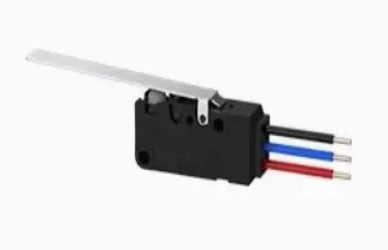
Waterproof micro switches are crucial in applications where exposure to moisture, dust, or harsh environmental conditions is common. These switches are designed to maintain reliable performance even in challenging environments. Some common applications include:
Outdoor Electronics:
Waterproof micro switches are used in outdoor equipment such as garden lights, weather stations, and outdoor sensors. Their ability to withstand rain, humidity, and dust ensures the longevity of these devices in unpredictable weather conditions.
Automotive Systems:
In vehicles, waterproof micro switches are essential for systems exposed to moisture, such as power windows, door locking mechanisms, and lighting. They help ensure that these systems continue to operate smoothly, even in rain or when exposed to high humidity.
Industrial Equipment:
Many industrial machines, including those in food processing, manufacturing, and automation, require waterproof micro switches. These devices are exposed to harsh conditions like water splashes, chemicals, and extreme temperatures. Waterproof switches protect the equipment and ensure that critical processes continue without interruption.
Waterproof micro switches play a key role in enhancing the durability and reliability of devices in harsh environments. Here’s how they contribute to better performance:
Protection from Water and Moisture:
Waterproof switches prevent moisture from entering the switch, which could otherwise cause short circuits, corrosion, or failure. This makes them particularly important in outdoor or industrial settings where water exposure is frequent.
Improved Durability:
By sealing off internal components from the elements, waterproof switches last longer and require less maintenance. This is especially beneficial in applications where reliability is critical, such as automotive systems or mission-critical industrial machinery.
Consistent Performance:
In wet or humid environments, standard switches can become unreliable over time, leading to system malfunctions. Waterproof micro switches ensure consistent performance even in adverse conditions, maintaining smooth operation and reducing downtime.
Using non-waterproof micro switches in environments exposed to moisture or water can lead to several issues that impact performance and reliability. Here are some common risks:
Corrosion:
Moisture can cause internal metal components to corrode, leading to poor electrical connections and eventual failure.
Short-Circuiting:
Water ingress can create conductive paths, resulting in short circuits and malfunctioning of the switch and surrounding circuitry.
Switch Failure:
Continuous exposure to moisture can degrade the switch's performance, causing complete failure and disruption in operations.
Intermittent Operation:
Moisture can cause the switch to operate erratically, turning on and off unexpectedly or failing to activate.
Decreased Lifespan:
Prolonged moisture exposure accelerates wear, reducing the switch's lifespan and reliability.
Electrical Resistance:
Moisture increases resistance at contact points, leading to power loss, inefficient operation, and potential overheating.
The IP rating (Ingress Protection rating) indicates the level of protection the switch has against dust and water. The first digit represents dust protection, and the second digit represents water protection. Higher numbers mean better resistance (e.g., IP67 means the switch is dust-tight and can be submerged in water up to 1 meter for 30 minutes without damage).
No, regular micro switches are not designed to resist moisture, dust, or extreme environmental conditions. These switches can suffer from corrosion, malfunction, or failure when exposed to water or humidity. For outdoor use, always choose a waterproof-rated micro switch, such as one with an IP65, IP67, or IP68 rating, depending on the level of exposure.
You can test a waterproof micro switch by submerging it in water (for IP67-rated switches or higher) or by spraying it with water under controlled conditions to check for any water ingress. After testing, ensure the switch operates normally without any water leakage or malfunction.
Using a non-waterproof switch in wet or humid environments can lead to corrosion, which deteriorates the internal components and compromises functionality. It may also cause short-circuiting, resulting in malfunctions or complete failure of the device. Over time, exposure to moisture can significantly reduce the lifespan of the switch, leading to frequent repairs or replacements and potentially causing costly downtime for systems reliant on the switch.
Verifying the waterproof capabilities of a micro switch is essential for ensuring reliable performance in environments exposed to moisture, dust, or harsh conditions. Methods to verify waterproof micro switches include checking the manufacturer's specifications for the IP rating, inspecting the physical sealing features like O-rings or gaskets, and performing tests such as submerging the switch or using a water spray test. Selecting the right waterproof micro switch is crucial for demanding applications, such as automotive systems, outdoor electronics, and industrial equipment, where durability and performance are vital. By ensuring the switch is properly rated for its intended environment, you can enhance the longevity, efficiency, and safety of your devices, reducing the risk of failure and costly repairs.

 注: 建议图片大小150px*50px


