Views: 198 Author: Site Editor Publish Time: 2026-03-26 Origin: Site


Relay socketsare essential components used to mount and connect relays in electrical systems. They provide a secure and reliable connection between the relay and the circuit, making it easier to install, replace, and maintain relays. Relay sockets come in different types, such as PCB mount, panel mount, and DIN rail versions, each designed for specific applications. Understanding whether relay sockets are universal is crucial for both users and engineers. Since relay sockets vary in pin configuration, voltage and current ratings, and mounting styles, selecting the wrong socket can lead to connection issues, system failure, or inefficient performance. Therefore, knowing the compatibility of relay sockets ensures that the system functions optimally, enhancing reliability and safety while preventing costly mistakes.
A relay socket is an electrical component that securely mounts a relay and connects it to a circuit. It simplifies installation, maintenance, and replacement by providing a stable connection between the relay and the system, typically through a set of matching pins or terminals. Relay sockets ensure reliable electrical connections and often include features like locking mechanisms to prevent accidental disconnections.
Mounting: Secures the relay for easy installation and replacement.
Electrical Connection: Provides a stable and reliable connection to the system, allowing proper relay operation.
Safety and Durability: Protects against short circuits and damage by ensuring proper insulation and handling electrical loads.
Relay sockets are used across many industries:
Industrial Automation: To control machinery and automated systems.
Automotive: For controlling electrical components like lights and horns.
HVAC Systems: To regulate heating and cooling systems.
Home Appliances: In devices like refrigerators and washing machines.
Energy and Power Distribution: In substations and power plants for circuit protection.
PCB Mount Relay Sockets: Mounted on printed circuit boards (PCBs), commonly used in compact devices like electronics.
Panel Mount Relay Sockets: Installed on control panels or enclosures, ideal for industrial control systems.
DIN Rail Mount Relay Sockets: Mounted on DIN rails, often used in automation and control equipment for organized, easy access.
Plug-in Relay Sockets: Allow easy insertion and removal of relays, ideal for systems requiring frequent maintenance or upgrades.
Relay sockets are not universally compatible, as several key factors affect their compatibility with different relays. These factors include pin configuration, voltage and current ratings, and mounting styles. Understanding these differences is crucial when selecting the right relay socket for an application, as using an incompatible socket can lead to poor performance, electrical issues, or even system failure.
Relay sockets vary in several critical aspects that affect compatibility, including pin configuration, voltage and current ratings, and mounting styles. Understanding these differences is vital for choosing the right socket for your relay.
One of the most significant factors affecting relay socket compatibility is the pin configuration. Relays come with varying pin counts, such as 4-pin, 8-pin, or even more. Each relay type requires a socket with the matching number of pins to ensure proper connection. Using a socket with an incorrect pin configuration will prevent the relay from fitting properly and could cause electrical issues.
Relay sockets are rated for specific voltage and current loads. Some sockets are designed for low-power applications, while others can handle higher voltage and current. It’s essential to match the socket’s voltage and current rating with the relay’s specifications to ensure safe and reliable operation. Using an under-rated socket could result in overheating, system malfunctions, or even electrical fires.
Different mounting and form factors also impact compatibility. Relay sockets are available in various styles, such as plug-in, screw terminal, and DIN rail mount. The type of socket chosen depends on the installation method and the available space.
Plug-in sockets are easy to install and replace, making them ideal for applications where frequent maintenance is needed.
Screw terminal sockets provide secure and robust connections, often used in industrial settings.
DIN rail sockets are mounted on standardized rails, making them ideal for automation and control panels.
Each of these mounting styles has different physical dimensions, so it's important to select the socket that aligns with the specific relay and application requirements.
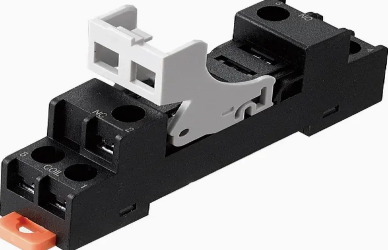
Choosing the right relay socket is essential to ensure proper functionality, safety, and reliability in any application. The selection depends on several factors, including the type of relay, the specific application, and environmental conditions. Here, we will break down when to use a specific relay socket based on these key elements.
Different relay types have unique specifications, and choosing a socket that matches the relay type is critical for optimal performance. For example:
Electromagnetic Relays: These relays typically require PCB mount sockets for compact electronic devices or panel mount sockets for industrial applications where the relay is accessed for maintenance.
Solid-State Relays: Since they have no moving parts and are often used for high-frequency switching, DIN rail mount sockets are ideal for these relays, especially in automation systems where space and durability are key.
Automotive Relays: These often require specialized automotive relay sockets, which are designed to withstand high vibration and temperature fluctuations typical of automotive environments.
The application plays a significant role in the selection of the relay socket. Here are a few common examples:
Automotive Applications: Automotive relay sockets are designed to be rugged, with resistance to temperature extremes, vibrations, and potential exposure to chemicals. Automotive relay sockets are typically DIN rail mount or plug-in style for easy replacement in cars or trucks.
Industrial Automation: In industrial settings, where reliability and long-term performance are essential, panel mount relay sockets are preferred. They can be securely attached to control panels, making them easy to replace and maintain in environments where machinery and systems require constant monitoring and control.
Home Appliances: Home appliances like washing machines, refrigerators, and dishwashers use PCB mount relay sockets. These compact and efficient sockets save space and are cost-effective, perfect for household electrical systems where size and power consumption matter.
Environmental factors such as temperature, humidity, and the presence of dust or chemicals can affect the type of relay socket needed:
High Temperature and Vibration: For environments such as automotive engines or heavy machinery, relay sockets need to withstand high temperatures and vibrations. Automotive relay sockets or industrial-grade panel mount sockets with extra durability are preferred.
Moisture and Dust: For environments prone to moisture or dust (such as outdoor equipment or HVAC systems), waterproof or sealed relay sockets provide the necessary protection against damage and ensure reliable operation.
Electromagnetic Interference (EMI): In environments with high electromagnetic interference, solid-state relay sockets with shielding are used to protect the relay from electrical noise and ensure stable operation.
Choosing the right relay socket is critical for ensuring system performance, reliability, and safety. Using the wrong socket can lead to performance issues and potential safety hazards.
Poor Electrical Contact: Incorrect socket-to-relay match can cause inconsistent or failed connections, leading to malfunction.
Overheating: Using a socket with insufficient voltage or current ratings can cause overheating, damaging components and reducing system lifespan.
Incorrect Switching: A mismatched socket may lead to erratic or unresponsive relay switching.
Physical Damage: A poorly fitted socket can cause the relay to loosen or disconnect, damaging both components.
Reliability: A well-matched socket ensures consistent, long-term operation, preventing disruptions in industrial or home applications.
Safety: Using the wrong socket can lead to overheating, electrical fires, or short circuits, especially if the socket’s ratings are too low.
Preventing Downtime: Correct socket selection minimizes downtime by ensuring easy relay replacement and preventing system failures.
Using an incompatible relay socket can cause poor contact, overheating, or system failure due to incorrect pin configurations or voltage mismatches.
Check the pin configuration, voltage and current ratings, and mounting style. Consult the datasheet for both the relay and socket for compatibility.
No, different relay types (e.g., electromagnetic, solid-state) require specific socket designs, so compatibility is key.
Yes, using a low-quality or incompatible socket can increase resistance, reduce performance, and shorten the relay’s lifespan.
Understanding relay socket compatibility is crucial to ensuring the efficient and safe operation of any electrical system. Choosing the right socket based on factors like pin configuration, voltage and current ratings, and mounting style prevents performance issues, overheating, and potential safety hazards. To select the appropriate socket, always check the relay’s specifications, consider the environmental factors, and match the socket’s ratings with the system’s requirements. By carefully choosing the right relay socket, you can ensure reliable performance, reduce downtime, and enhance the safety and longevity of your system.

 注: 建议图片大小150px*50px


