Views: 178 Author: Site Editor Publish Time: 2026-04-04 Origin: Site


Relays are electrical devices that act as switches, allowing a low-power signal to control a high-power circuit. In automotive systems, relays are used to control various high-current components, such as headlights, motors, horns, and fuel pumps, without directly involving high-power switches. This not only protects the vehicle's electrical components from wear and tear but also ensures smooth operation. Relays are crucial in modern vehicles because they allow for efficient power distribution, reducing the need for large, bulky switches and enabling the control of multiple electrical systems from a single relay. By using relays, automakers can design safer, more durable, and energy-efficient vehicles that can handle the complex electrical demands of modern automobiles.
A relay is an electromechanical device that acts as an electrical switch. It allows a low-power electrical signal to control a high-power circuit, enabling the efficient control of high-current devices without the need for large, bulky switches. The basic function of a relay involves using a small current to activate a magnetic coil inside the relay, which then closes or opens contacts to allow or interrupt the flow of current in the connected circuit.
In automotive systems, relays are used to control various high-current components, such as lights, horns, motors, and fuel pumps. Instead of using large switches to handle these high-current devices directly, a relay allows a smaller control signal (such as from a button or switch) to activate the relay, which then handles the higher current required to operate the device. For example, pressing a button to turn on your headlights might activate a small relay, which in turn allows a larger current to flow to the headlight circuit. This way, relays protect the vehicle's electrical components by preventing them from being exposed to high currents and reducing wear on the control switches.
Relays are specifically designed to handle high-current systems such as motors, lights, and horns, which require more power than regular switches can handle. By using relays, these high-power circuits are controlled through low-power signals, preventing direct exposure to high currents. This eliminates the risk of burning out the switch due to excessive current, ensuring that the control switches last longer and function reliably over time.
One of the key benefits of using relays in cars is that they protect the car’s switches and wiring from wear and tear. Directly controlling high-current devices with switches would cause the switches to degrade quickly due to constant electrical arcing and overheating. Relays, on the other hand, isolate these high currents from the switches, improving the durability and lifespan of the electrical components in the vehicle, reducing maintenance costs and preventing premature failure.
Relays play a crucial role in enhancing the safety and efficiency of electrical systems in vehicles. By preventing switches from handling large currents, relays reduce the risk of electrical fires caused by overheating. Additionally, relays help distribute power more efficiently, ensuring that the electrical system operates smoothly and consumes energy in a controlled manner. This improves the overall performance of the vehicle while safeguarding the integrity of its electrical system.
Automotive relays are designed to control various high-current systems in a vehicle. Each relay type serves a specific purpose, enabling efficient and safe operation of the car’s electrical components. Here are some of the most common types of automotive relays and their functions:
Starter Relay
Function: The starter relay is responsible for activating the vehicle’s starter motor. When the ignition key is turned, the relay sends current to the starter motor, enabling the engine to start.
How It Works: It connects the low-power ignition switch to the high-power starter motor circuit, ensuring the motor gets the necessary current to turn the engine over.
Fuel Pump Relay
Function: This relay controls the fuel pump’s operation, ensuring it only runs when the engine is operating.
How It Works: When the ignition is turned on, the relay sends current to the fuel pump, allowing it to deliver fuel to the engine. It typically deactivates when the engine is not running to conserve power and prevent fuel from being pumped unnecessarily.
Horn Relay
Function: The horn relay controls the car’s horn, allowing the driver to activate it with a button press.
How It Works: When the horn button is pressed, it triggers the relay, which sends current to the horn, causing it to sound. The relay ensures that only a small amount of current is required to activate the horn, rather than the full current the horn needs.
Headlight Relay
Function: The headlight relay controls the headlights, ensuring they are powered on or off without overloading the switch.
How It Works: When the headlight switch is activated, it triggers the relay, which allows a higher current to flow to the headlights.
Air Conditioning Relay
Function: This relay manages the operation of the air conditioning compressor.
How It Works: The relay receives a signal from the vehicle's climate control system and powers the A/C compressor. It ensures the compressor only runs when needed, reducing energy consumption.
Wiper Relay
Function: This relay controls the windshield wiper motor and ensures it operates when the driver activates the wiper system.
How It Works: The relay activates the wiper motor, allowing the wipers to clear the windshield when needed. It can also control multiple speed settings for the wiper.
Each relay type in a vehicle plays a vital role in managing high-power components efficiently, helping protect sensitive switches and enhancing the reliability of the electrical system.
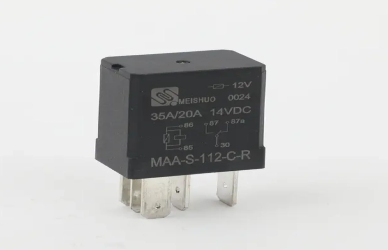
Relays are integral to the operation of various systems in modern vehicles. They allow low-power switches to control high-current components, improving safety, efficiency, and the overall reliability of the car's electrical system. Here are some common systems in cars that are controlled by relays:
Function: Relays control the power supply to the headlights, ensuring they operate efficiently without overloading the switch.
How It Works: When the driver activates the headlight switch, the relay allows a larger current to flow to the headlights, providing them with the necessary power while protecting the switch from excessive wear.
Function: The starter relay is crucial for starting the engine.
How It Works: When the ignition key is turned, the relay connects the low-power ignition circuit to the high-power starter motor, enabling the engine to start by supplying the motor with the necessary electrical current.
Function: The fuel pump relay controls the operation of the fuel pump.
How It Works: When the ignition is turned on, the relay sends power to the fuel pump, allowing it to pump fuel from the tank to the engine. It typically deactivates when the engine is off, ensuring the pump only operates when needed.
Function: The A/C relay controls the air conditioning compressor, allowing it to operate efficiently.
How It Works: The relay powers the A/C compressor based on the signals from the climate control system. It ensures that the compressor runs only when the A/C is active, saving energy and improving system performance.
Function: The horn relay controls the horn, allowing it to be activated by pressing the horn button.
How It Works: When the horn button is pressed, the relay sends current to the horn, causing it to sound. The relay ensures that only a small current is required to activate the horn, which draws a much higher current to produce sound.
Function: The wiper relay manages the operation of the windshield wipers.
How It Works: The relay controls the wiper motor, allowing it to run at different speeds or cycles based on the driver's inputs. It ensures that the motor only receives power when necessary, protecting the system from unnecessary wear.
Using a direct switch can cause it to wear out quickly, overheat, or fail due to the high current load, leading to electrical damage or system failure.
Relays prevent switches from handling high currents, thus reducing the risk of overheating and fire, while also ensuring safe and efficient operation of electrical components.
Yes, relays are used to control various systems such as lights, horns, and fuel pumps, allowing precise control over different components from a single relay.
Yes, automotive relays are relatively easy to replace and can be swapped out with minimal tools, though it’s important to ensure the replacement relay matches the required specifications.
Relays are crucial in cars because they control high-current systems without overloading switches. By using relays instead of direct switches, vehicles benefit from improved safety, durability, and performance. Relays prevent wear on switches, protect electrical components from overheating, and ensure that power is distributed efficiently across various systems. This allows for better control of key vehicle functions such as headlights, motors, and air conditioning, ultimately enhancing the vehicle's reliability and longevity.

 注: 建议图片大小150px*50px


